Understanding Brow Mapping and Its Importance
Brow mapping is a game-changer in the world of eyebrow design. It takes the guesswork out of shaping brows and turns it into a precise plan tailored just for you. Instead of relying on intuition, a skilled artist looks at your facial symmetry, bone structure, and natural brow growth to create eyebrows that truly complement your face. Whether you're considering microblading, ombré powder brows, or simply want to groom your brows, this technique ensures the end result is balanced and flattering.
At Real Brows Microblading & Permanent Makeup, we treat brow mapping as both an art and a science. This balance is crucial because eyebrows shape how your eyes look, how expressions are read, and even how youthful or polished you appear. The smallest details can make a big difference, and brow mapping often turns an average result into something truly personalized.
This guide will break down what brow mapping is, why it matters, and how professionals use it. We'll also look at current trends in the service, like digital tools and consultation methods, to help you get the best possible results. If you're new to permanent makeup, be sure to check out our PMU pre-care instructions before booking an appointment to know how to prepare.
What Is Brow Mapping?
A Precise Method for Eyebrow Design
Brow mapping involves measuring and marking your face to figure out the most flattering eyebrow shape for you. Instead of using a one-size-fits-all template, the artist studies your features to find the best starting point, arch, and tail for your brows. The aim is to create harmony across your face while respecting your natural anatomy and style preferences.
This technique is commonly used in eyebrow shaping methods like waxing, tinting, microblading, combination brows, and brow correction. It's especially helpful for those with asymmetry, sparse growth, uneven arches, or previous brow services that need improvement. For those seeking expert adjustments, brow correction can help restore balance and enhance the structure of brows that have been overplucked or unevenly shaped in the past.
How Brow Mapping Works in Practice
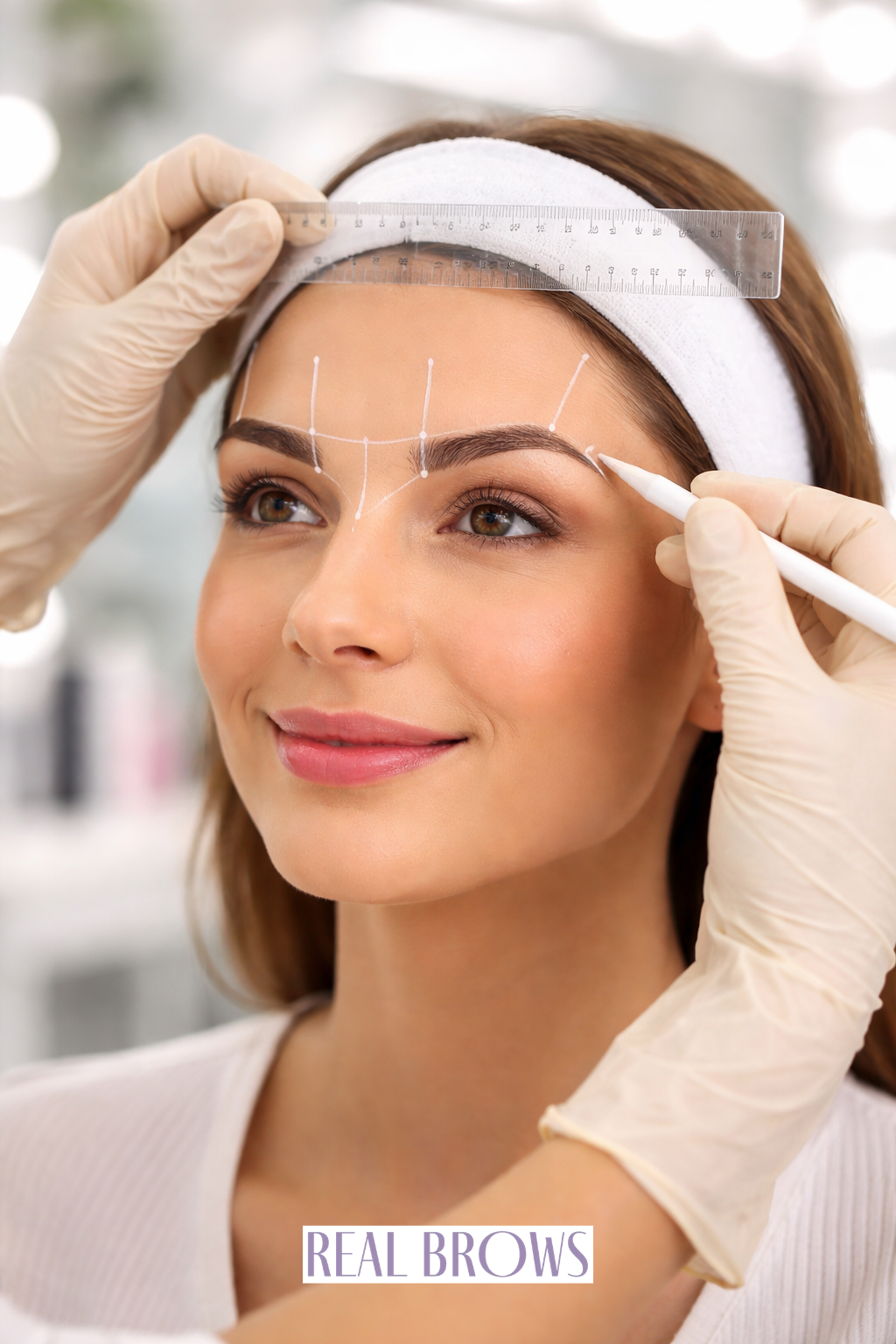
During a typical brow mapping session, the technician uses tools like calipers, string, rulers, and skin-safe markers to map guide points on your face. These points help establish symmetry using landmarks such as your nose, inner eye corner, iris, cheekbone, and temple. The process is careful and methodical because even small tweaks can change how your brows look.
Once the mapping is done, the artist reviews it with you and makes any necessary adjustments. This consultation step is key because beauty is personal. The "best" brow shape should fit both your face and your preferences. Whether you want a soft, natural look or something more defined, the mapping phase ensures the design process is collaborative and clear.
Why Brow Mapping Matters for Symmetry and Balance
Brows Frame the Face
Eyebrows do more than just fill space above your eyes. They affect your facial expressions, frame the upper face, and help define overall harmony. If brows are too low, too long, too high, or too heavy, they can throw off your face's proportions. Brow mapping helps avoid these issues before any shaping or pigment application begins.
Many clients come in wanting brows that look more even or polished, but they may not realize that true symmetry doesn't always mean making both brows identical. Human faces are naturally asymmetrical, and a skilled artist works with that reality instead of against it. The result often looks more flattering because the brows are designed to complement your face rather than force it into an unnatural shape.
Golden Ratio Principles and Facial Proportions
Many professionals refer to the golden ratio and facial proportion principles when mapping brows. While no formula can replace artistry, proportional analysis helps guide decisions about brow placement, length, and arch height. According to training standards discussed by educators in the permanent makeup field, strong results come from combining anatomy knowledge with personalized consultation rather than relying only on templates or trends. For more technical context, check out this educational article on eyebrow mapping fundamentals.
This is why brow mapping is so valuable in services like combo brows and nano brows. These techniques depend on strategic design before any pigment is applied. If the plan isn't correct, the finish can look unbalanced, even if the strokes themselves are technically excellent.
Latest Trends in Digital Brow Mapping Technology
Facial Recognition Software and Precision Design
One big trend in brow mapping is the use of digital technology. Advanced facial recognition software can now help professionals by analyzing facial features, detecting proportions, and suggesting optimized brow points. This tech doesn't replace the artist; it acts as a precision tool that improves consistency and supports quicker, more informed decisions.
The rise of digital brow mapping reflects a broader shift in beauty toward personalization and data-assisted service. As clients expect more tailored results, digital tools help artists refine the brow start, arch, and tail based on measurable facial data. For a research-style example, see this brow mapping machine research that demonstrates how technology supports accurate stencil creation, especially for clients with asymmetrical or sparse brows.
What This Means for Clients
For clients, digital assistance can mean a quicker and more predictable appointment. The mapping stage may be faster, but the best results still depend on the artist’s judgment, consultation style, and ability to read the face in person. A screen or software can't fully capture how brows interact with expression, skin texture, or natural hair density, so human expertise remains essential.
This mix of technology and artistry is a perfect fit in high-demand beauty markets where clients want both innovation and trust. In a city like Los Angeles, where beauty standards are high and clients often value visible but natural refinement, a careful mapping process can set you apart. Services such as our Los Angeles location benefit from this client-centered, detail-driven approach because it aligns with the city’s fast-paced but quality-focused beauty culture.
Expert Tips for Better Brow Mapping
Start with Facial Anatomy, Not Trends
Experts stress that brow mapping should begin with facial anatomy. Brows that fit a heart-shaped face might not suit a round or square face, and the ideal arch depends on the relationship between your eyes, forehead, cheekbones, and jawline. A trend may be popular on social media, but it won't always flatter you.
Professionals also emphasize that natural hair growth patterns should guide the design. Working against the direction, density, or natural brow line can create a forced look. Instead, a skilled artist identifies what already works on your face and enhances it carefully, which is why personalized consultation is not optional—it’s a core part of the service.
Consultation Is Where the Best Results Begin
A thorough consultation allows the artist to learn about your goals, lifestyle, grooming habits, and preferences. Some clients want a softer daytime brow, while others want a fuller, more dramatic frame that still appears natural. The consultation also helps identify any concerns, such as medication use, previous tattoos, skin sensitivity, or prior brow work that may affect the result.
For those considering permanent makeup for the first time, consultation reduces uncertainty and supports realistic expectations. It’s also a chance to explain aftercare, healing, and maintenance. Reviewing our PMU aftercare guide can help you understand how to protect your results and support healing for the best possible retention.
How Brow Mapping Supports Different Brow Services
Microblading and Natural Hair-Stroke Results
Microblading relies heavily on brow mapping because this technique mimics the look of natural brow hairs. If the framework is off, even the most realistic strokes won’t create a harmonious look. Mapping ensures that the strokes are placed in the right spots and that the brows appear symmetrical from a normal viewing distance.
For those seeking customized, natural-looking enhancement, professional microblading services often start with a detailed brow map. The mapping stage helps determine how much fullness is needed, where density should be built, and how to keep the final design flattering over time. This is especially important for clients with patchy brows or uneven growth caused by overplucking, age, or genetics.
Powder Brows, Combo Brows, and Nano Brows
Powder brows and combo brows also rely on brow mapping because shading must follow the structure of the face with precision. In ombré powder brows, the front often starts softer and gradually becomes more defined toward the tail. If the map isn't accurate, the gradient effect may look too heavy, too short, or too flat.
Likewise, ombré powder and combo brows depend on a carefully planned outline so that both hair strokes and shading appear balanced. Nano brows, which use ultra-fine machine strokes, rely on measurement and placement because their strength lies in their subtle realism. When design and execution align, the result can be refined, soft, and highly personalized.
What the Brow Industry Says About Growth and Demand
More Clients Are Seeking Specialized Brow Services
The brow category has become a major growth area in the beauty industry, reflecting changing consumer preferences. According to a report by the Los Angeles Times, major brands have seen substantial increases in brow sales, with some reporting gains in the 30 to 40 percent range. This suggests that brows are no longer an afterthought; they're a core beauty focus for many people.
As demand rises, clients are becoming more informed about service quality. They're not just looking for fuller brows—they want brows that fit their face, lifestyle, and preferences. That's why brow mapping has become more visible in both salon education and client-facing marketing. It supports the industry's move toward personalized, result-driven services rather than one-size-fits-all beauty.
Why This Matters for Service Quality
Growing demand also means higher expectations. Clients want consistency, hygiene, clear communication, and results that look good both immediately and after healing. At Real Brows, these expectations align with our service philosophy built on professionalism, education, and realistic outcomes. Brow mapping supports that promise by reducing uncertainty and giving both artist and client a shared plan before the service begins.
If you're still comparing options, browsing related offerings like our microblading guide can provide useful context about how mapping fits into the larger PMU process. Understanding the process before booking helps you make more confident decisions and appreciate the craftsmanship behind the finished look.
Real-World Example: How Brow Mapping Can Transform Brows
From Sparse and Uneven to Balanced and Defined
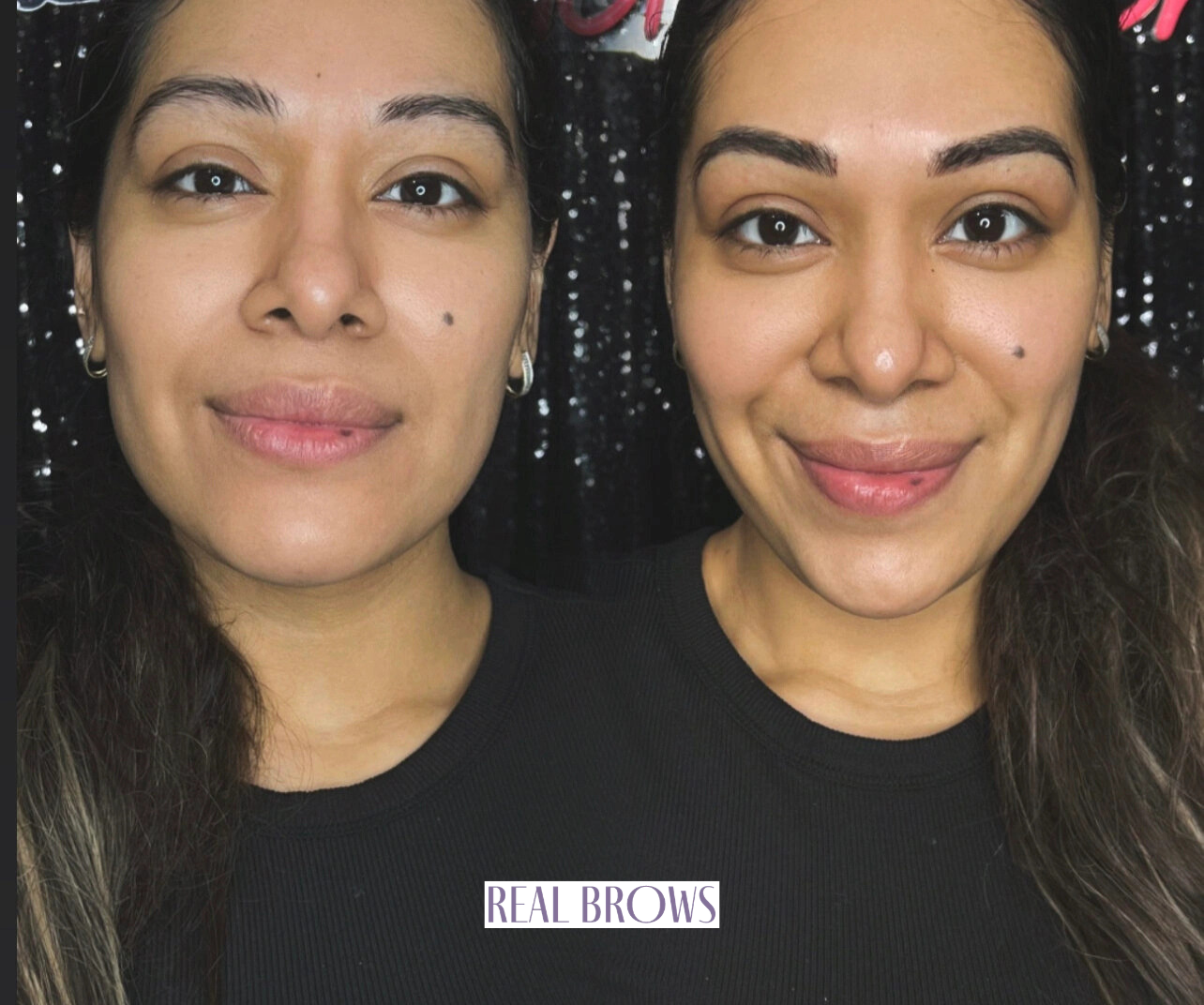
Imagine a client with sparse outer tails and one brow slightly higher than the other. Without mapping, a technician might fill in the brow based on a quick visual assessment, making the asymmetry more noticeable. With brow mapping, the artist can adjust the arch, length, and thickness so both brows appear balanced.
This type of transformation is common in correction and restoration work. The client doesn't need identical brows; they need brows that create a better overall frame for their face. Sometimes, the improvement is subtle but powerful, making the eyes look more open and the expression more polished.
Confidence Is Often Part of the Result
While brow mapping is technical, its impact is often emotional. Many clients feel more confident knowing their brows were designed specifically for them. This matters because brows are one of the first features people notice in conversation and in photos. Well-mapped brows can make makeup routines faster, simplify daily grooming, and provide a polished look even without additional cosmetics.
That confidence boost is why brow design remains such an important part of permanent makeup. If you want fuller coverage or a different brow effect later, services such as non-laser tattoo removal may also become relevant, where old pigment needs to fade before a new design is created.
What to Expect During a Brow Mapping Appointment
Time, Steps, and Communication
A brow mapping and shaping session typically takes about 30 to 45 minutes, though it can take longer when the brows are highly asymmetrical or when a more detailed PMU service is planned. The process usually begins with cleansing, consultation, facial analysis, and measurement. After the map is reviewed and approved, the artist can move forward with shaping or the next step in the brow service.
Clear communication is essential during this stage. Clients should feel comfortable asking why certain decisions are being made, especially if the mapped shape differs from what they expected. A good artist will explain how the design supports the face, what tradeoffs may exist, and how the final result will look after healing or grooming.
Questions Clients Should Ask
Before agreeing to a mapped shape, clients may want to ask how the design was determined, how much natural hair will be preserved, and whether adjustments can be made before treatment starts. It’s also helpful to ask what the brows will look like after healing and what maintenance is required. These questions improve trust and help the client make an informed decision.
If you are preparing for a service, it’s also wise to review policies and appointment details in advance. Our deposit policy explains how appointments are secured, while the pre-care guide helps clients arrive ready for a smooth experience. Together, these resources support a more organized, stress-free appointment.
Frequently Asked Questions About Brow Mapping
What is brow mapping?
Brow mapping is a technique that uses precise measurements and facial analysis to design eyebrow shapes tailored to a person’s features. It helps create symmetry, proportion, and a more flattering result.
Why is brow mapping important?
It matters because brows frame the face and strongly influence appearance. Brow mapping helps ensure the final shape complements bone structure, natural growth, and personal style instead of relying on guesswork.
How long does a brow mapping session take?
Most appointments take 30 to 45 minutes, though the time can vary depending on the complexity of the brow design and whether additional services are included.
Can brow mapping help with uneven brows?
Yes. Brow mapping is especially useful for uneven, sparse, or previously overworked brows because it gives the artist a structured plan for creating balance.
Is brow mapping only for permanent makeup?
No. Brow mapping can be used for waxing, trimming, tinting, microblading, powder brows, and many other shaping services. It is a useful step anytime precision matters.
Conclusion: Why Brow Mapping Deserves More Attention
Brow mapping is much more than a prep step. It's the foundation of thoughtful eyebrow design, helping artists create brows that are symmetrical, balanced, and tailored to the individual. As digital tools become more advanced and client expectations continue to rise, brow mapping is becoming even more valuable for achieving professional, natural-looking results.
Whether you're interested in a subtle enhancement or a full permanent makeup transformation, the right brow map can make all the difference. It supports better design decisions, clearer consultations, and more satisfying results. If you're ready to learn more about your options, explore our service pages for microblading, nano brows, and brow correction, then contact Real Brows Microblading & Permanent Makeup to begin your personalized brow journey.
With expert technique, careful planning, and a client-first approach, beautifully mapped brows can do more than enhance appearance—they can help people feel more confident every day. Start with the right foundation, and the rest of the result has a much better chance of living up to your expectations.